Featured
Table of Contents
The Shift Toward Decoupled Digital Architecture in 2026
Digital method in 2026 has moved past the period of all-in-one software suites. For several years, businesses relied on monolithic systems where the content management backend and the visual frontend were permanently joined. This structure often caused slow load times and limited flexibility. Today, the move towards headless architecture has actually become the requirement for organizations that need to push content to numerous platforms all at once. By separating the information from the screen, companies can now send info to smart watches, AI assistants, and standard browsers from a single source without jeopardizing performance.
The seriousness for this modification is driven by the rise of Generative Engine Optimization (GEO) Search engines no longer just offer links-- they provide direct responses produced by AI. To be noticeable in these results, information need to be structured in a manner that AI crawlers can easily parse. A headless setup enables for this level of precision, guaranteeing that a service situated in Denver can preserve high visibility throughout a range of search surfaces. Steve Morris, CEO of NEWMEDIA.COM, has actually noted in a number of industry journals that the capability to present tidy, structured information is now the primary factor in digital competitors. His company, which runs from major centers like Denver, Chicago, and New York City, has concentrated on this shift through their RankOS platform, which helps services preserve search exposure in an AI-dominated environment.
Strategic Advantages for Shopify Web Design in 2026
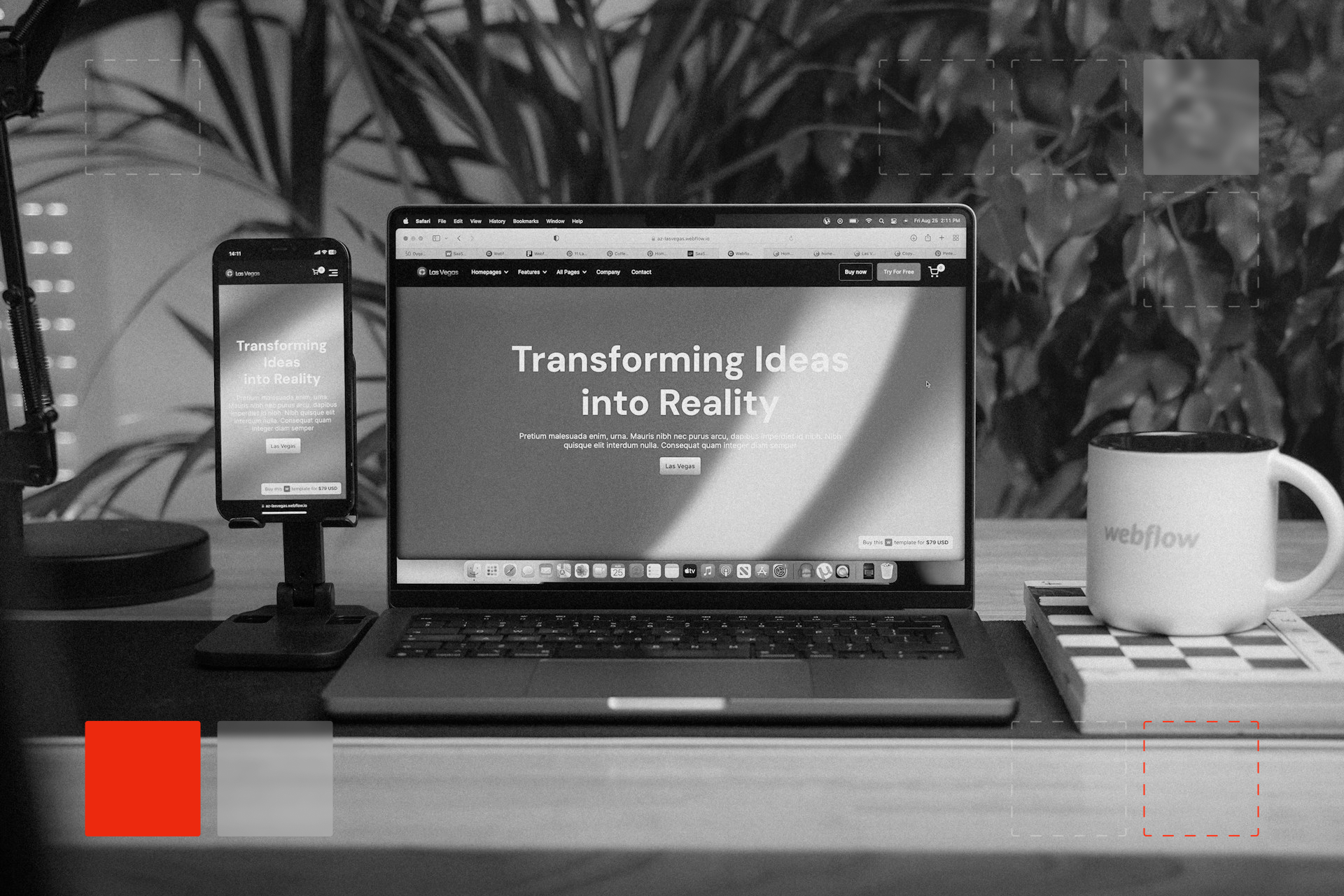
Efficiency is no longer a high-end. In 2026, a hold-up of even a couple of milliseconds can lead to a significant drop in user retention. Headless systems improve speed by removing the heavy processing usually needed by conventional CMS templates. Rather of the server building a whole page whenever a user clicks a link, the system only sends out the essential information by means of an API. This makes Shopify Web Design far more effective, as developers can utilize modern structures like Next.js or more recent 2026 equivalents to build quickly, reactive interfaces.
Lots of teams focusing on Shopify Web Design now prioritize Shopify Store Design to ensure their sites load in under 200 milliseconds. This level of speed is particularly important for mobile users in Denver, where connection can vary however expectations for instant access stay high. When the frontend is decoupled, it can be hosted on edge networks, bringing the material physically closer to the user. This decreases latency and provides a much smoother interaction than the server-heavy designs of the past years.
Adjusting to Regional Markets Across CO

The local needs in CO or the surrounding area frequently require fast updates to pricing, stock, or service information. In a monolithic system, making a little modification to an item listing may require a complete deployment of the website code. With a headless architecture, material groups can update the backend and see those changes showed instantly across every connected device. This agility permits businesses in Denver to react to market shifts in real-time without needing a developer to manually adjust the frontend code for every single small upgrade.
Modern Shopify Store Design Services has actually become essential for contemporary organizations that want to keep a consistent brand name voice across fragmented digital channels. Whether a customer is interacting by means of a voice-activated home device or a high-end desktop internet browser, the core info stays the same. This consistency is a hallmark of the strategy employed at agencies with a national existence, such as those with offices in Nashville, Dallas, and Atlanta. By centralizing material, these companies guarantee that the message delivered in Miami corresponds the one seen in LA, no matter the gadget used.
AI Browse Presence and the Role of RankOS
As search engines shift into answer engines, the way content is indexed has gone through a total overhaul. The RankOS platform was established to resolve this specific difficulty. By concentrating on AI search exposure, the platform guarantees that the underlying information of a site is enhanced for generative designs. Steve Morris has actually highlighted that 2026 is the year where "significance" surpasses "keywords." Headless systems support this by enabling deep metadata tagging that standard systems often have a hard time to deal with. This makes it easier for AI to comprehend the context of the services provided in CO or the United States.
When material is saved in a headless CMS, it exists as raw data-- titles, descriptions, images, and rates-- unburdened by HTML styling. This raw state is precisely what AI designs choose. It allows them to pull particular facts for a user's inquiry without needing to filter out the "noise" of a website's design. Businesses increasingly depend on Digital Design for Ecommerce to stay competitive as these AI models become the main way individuals discover regional services. If the information is trapped inside a stiff design template, it risks being neglected by the crawlers that power 2026 search experiences.
Future-Proofing Through API-First Style
Developing a site in 2026 is no longer about creating a fixed location. It is about producing a data source that can live anywhere. The API-first design of headless architecture ensures that as brand-new technologies emerge, the backend does not need to be reconstructed. If a new kind of wearable gadget or immersive interface becomes popular next year, a company in Denver can merely construct a new frontend to connect to their existing API. This avoids the pricey cycle of full-site redesigns that afflicted the market in previous years.
The technical teams at firms in Miami and NYC are seeing a pattern where business are moving far from exclusive software application that locks them into a specific vendor. Headless architecture promotes an "unbundled" approach. A company can use one service for its content, another for its ecommerce checkout, and a third for its AI search optimization. This modularity means that if one part of the tech stack ends up being outdated, it can be changed without taking down the whole infrastructure. It is a more resilient way to construct a digital presence that can endure the rapid pace of change in the tech sector.
The Bottom Line for Organizations in Denver
The choice to move to a headless system is frequently driven by a need for better security. Due to the fact that the frontend is separated from the database, the "attack surface" is significantly lowered. Conventional sites typically have vulnerabilities in their plugins or themes that can cause information breaches. In a headless environment, the backend is concealed behind an API, making it much harder for malicious actors to access. This is a critical factor to consider for companies running in highly regulated markets throughout CO.
Purchasing this modern-day infrastructure has to do with more than just remaining present. It is about performance and reach. By adopting these methods, business can minimize their long-term upkeep costs while improving their capability to reach consumers on any device. The know-how needed to handle these systems has ended up being more accessible, with firms providing the specialized knowledge needed to bridge the space between complicated backend information and user-friendly frontends. As 2026 continues to press the boundaries of what is possible with AI and web efficiency, the headless technique stays the most efficient method to make sure a digital presence is both fast and versatile sufficient to make it through the next wave of technological development.
Whether a company is searching for Shopify Web Design or simply wishes to enhance its standing in AI search engine result, the move far from monolithic platforms is the most logical action. The success seen in markets from Denver to Dallas recommends that the future of the web is decoupled, data-centric, and built for speed.

Latest Posts
The Shift Toward Dynamic Interactivity for CO Sites
Sustainable Web Design: The Future of Accountable Coding
Comparing App Efficiency Standards for Local Customer Brands